FPOs & farmer collectives
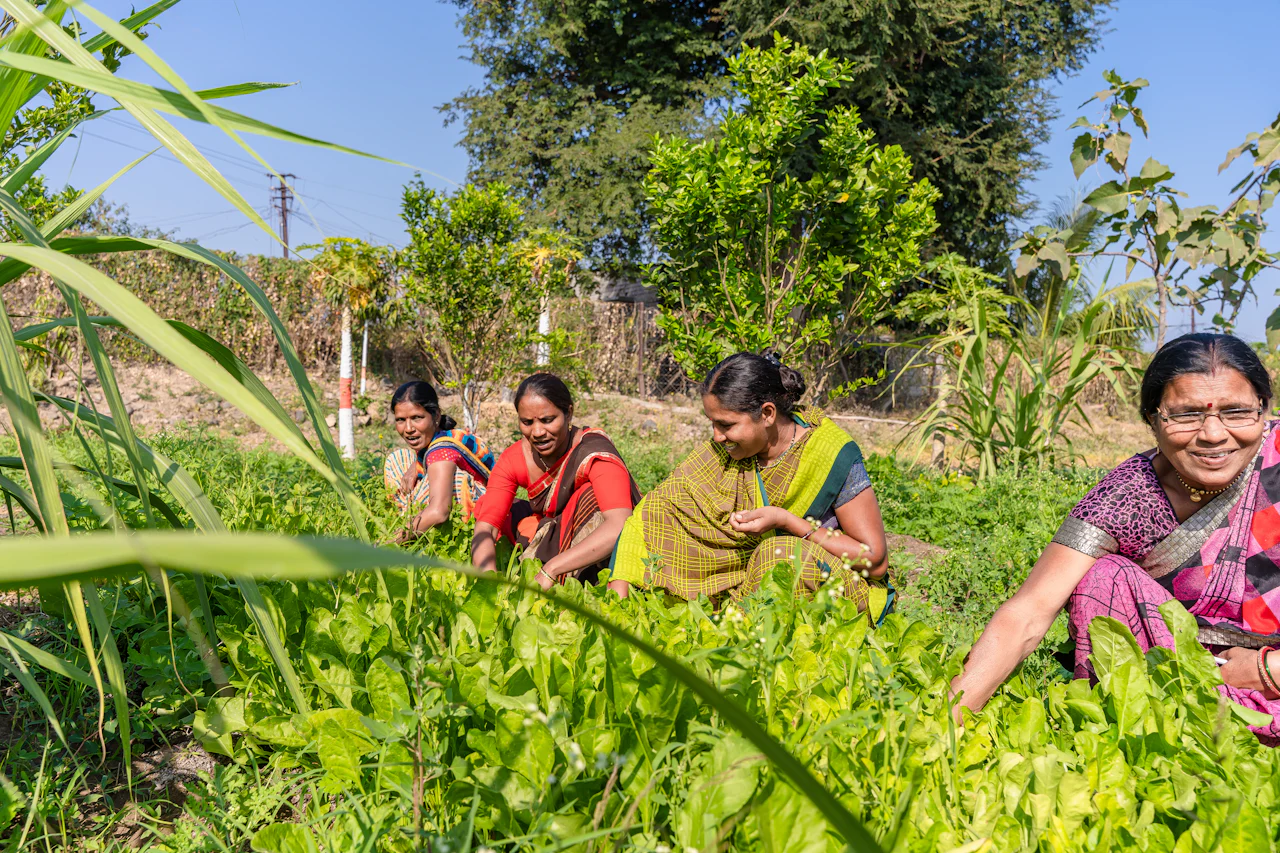
Contribute authorized farm records and local observations; coordinate registration and collection, with clearer evidence requirements and seasonal visibility.
We welcome conversations with organizations bringing agricultural knowledge, field access, data expertise and independent review.
Contribute authorized farm records and local observations; coordinate registration and collection, with clearer evidence requirements and seasonal visibility.
Contribute farm and downstream documentation; reconcile practice and production references to identify traceability coverage and missing links.
Define eligibility, reporting criteria and authorized program records; assess implementation and unresolved evidence without replacing official review.
Define case requirements and supply authorized inspection records; review field timelines to prepare documentation for their own assessment process.
Supply methodology and baseline requirements; organize activity sources and calculations for review without implying certification or issued credits.
Contribute protocols and validation datasets; inspect provenance, assumptions and reproducibility to assess the quality of methods and evidence.
These are prospective collaboration areas, not a list of existing customers or confirmed partners.
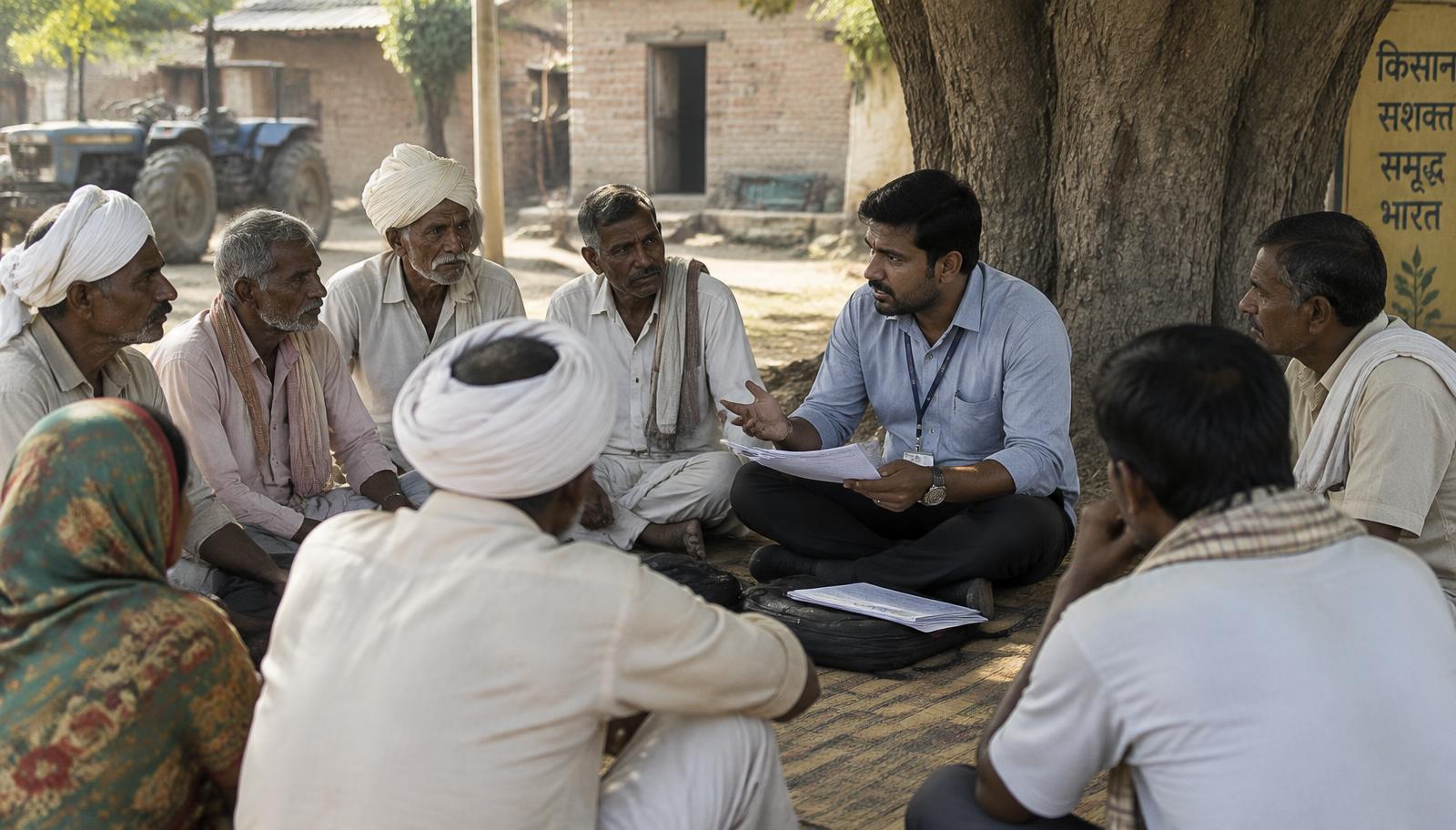
Farmers and local partners contribute authorized field context. Program teams define scope and monitoring requirements. Independent reviewers assess evidence against the selected rules. Keep each role and decision clear from the start.
Participation, MRV, independent review, registry issuance and any sale happen through distinct responsibilities.
Define the agricultural context, intended decision, evidence requirements and review responsibilities before choosing the data.
Platform design · capabilities described below are proposed unless explicitly identified as available. Product examples are illustrative, not live monitoring or verified results. Implementation and integrations are agreed for each program.
Agricultural evidence programs may involve farmers, FPOs, implementation teams, data providers, scientific partners and reviewers. The Carbon Credit’s proposed role is to connect evidence organization and analysis to those responsibilities within an agreed scope.
The following roles are prospective collaboration models, not confirmed partners or customers.
Collectives could coordinate participating farms, support registration and boundary checks, explain intended data uses and consent, facilitate authorized collection and field visits, and help resolve incomplete records. Structured requirements make it clearer what evidence is needed and what remains unresolved.
Program owners define scope, eligibility, agricultural practices, indicators, geographic coverage and approval responsibilities. The Carbon Credit could support consistent monitoring and reporting across those requirements, while retaining the authority of statutory and official verification processes.
Potential work includes methodology design, field protocols, baseline selection, calibration, validation datasets, uncertainty analysis and independent evaluation. Scientific scrutiny is especially important before quantifying environmental outcomes. Credentials and affiliations are published only after confirmation and approval.
Supply-chain organizations define farm-level record requirements and provide authorized documentation. Insurers define case evidence and policy references for their own assessment processes. Environmental developers define monitoring boundaries, methodology and reporting needs.
Begin with discovery and a problem-and-data assessment. Define scope and methodology, design a pilot, agree governance and permissions, implement and evaluate, then review results before considering expansion.
Talk with The Carbon Credit about a DSR program, field evidence requirements, research collaboration or a potential project partnership.